



-50%
 Kashmiri Guide I 2nd Semester (Bhat 7366)P-86
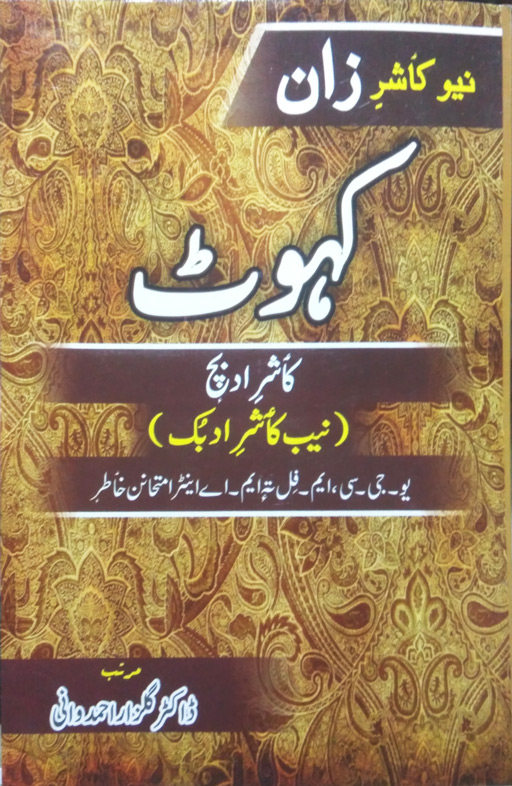 New Kashir Zaan Khavat
₹699.00 Original price was: ₹699.00.₹350.00Current price is: ₹350.00.
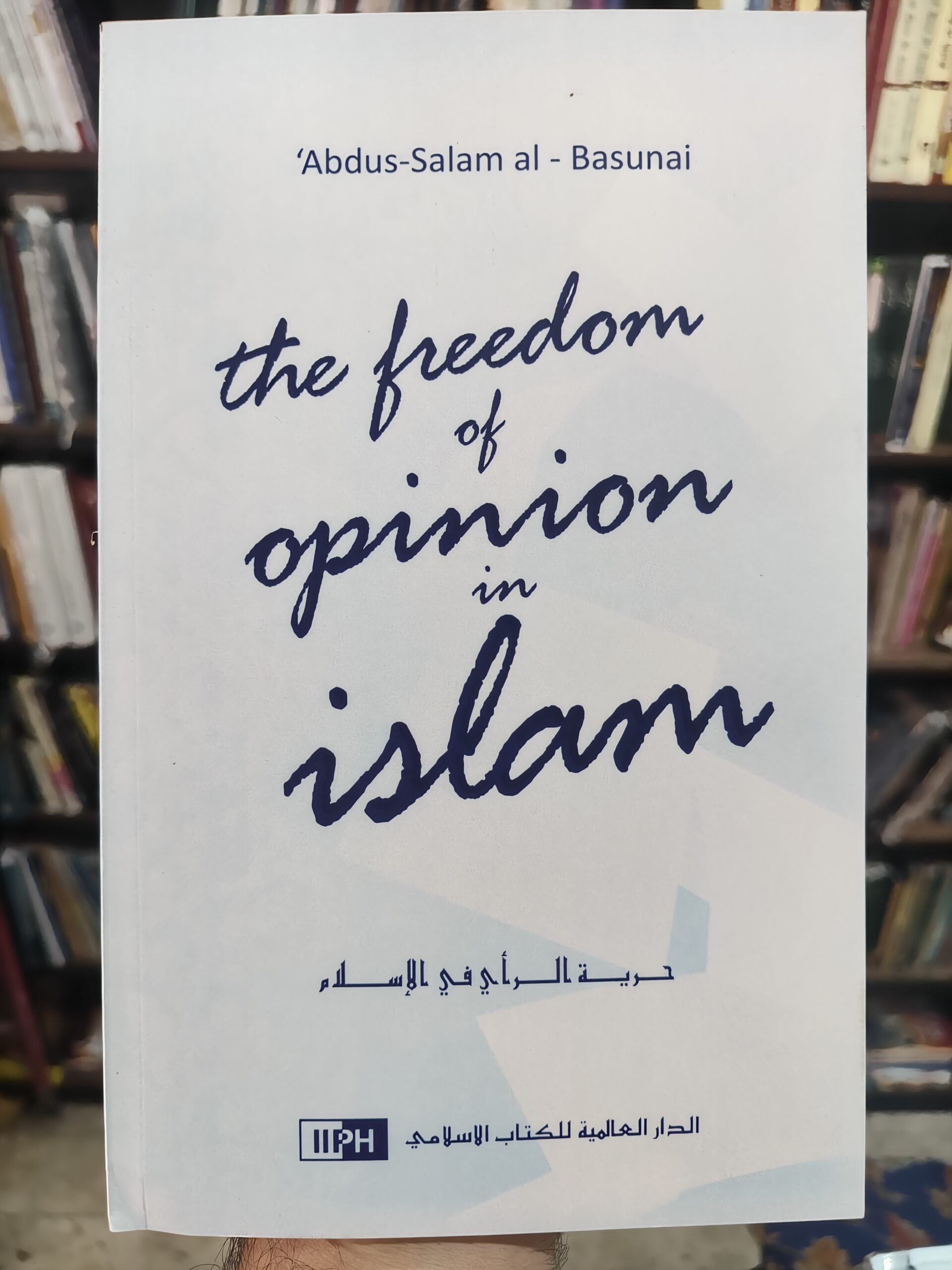
The Freedom of Opinion in Islam by Abdus-Salam al-Basuni, in English. IIPH. Buy online in India at Lafz Bookstore.
2 in stock
The Freedom of Opinion in Islam by Abdus-Salam al-Basuni is a short treatise on freedom of expression from an Islamic point of view. It was published in English by the International Islamic Publishing House (IIPH), Riyadh, as a paperback of about 100 pages. The book looks at how Western thinkers and societies have approached free speech and then sets out the Islamic position.
The central argument is that expressing one’s opinion is a right protected by Islamic law, and that this right comes with limits meant to guard privacy, dignity and public security. The author writes for general readers, which makes the subject easy to approach.
Debates about speech fill news channels and social media, and Muslims are often asked what Islam says about criticism, dissent and freedom of belief and expression. A short, clearly argued book gives students and teachers a starting point for those conversations. It also helps readers see that Islam encourages sincere advice and honest speech while forbidding slander, mockery and the spreading of falsehood.
The book suits university students, teachers, writers, community leaders and anyone who wants to understand how Islamic teachings treat freedom of opinion. It can also be used for discussion in a study circle, where each chapter provides material for a talk.
The book credits Abdus-Salam al-Basuni as its author. We do not have a reliable biography for him, so we have not included details of his life here.
Read a section at a time and note the arguments. Compare them with the verses of the Qur’an and the sayings of the Prophet ﷺ on truthful speech and on good manners in disagreement. Where a question touches a legal ruling, take it to a qualified scholar. A treatise of this size opens a subject; it does not close it.
The Qur’an and the Sunnah give great weight to the tongue. A believer is told to speak what is good or stay silent, to give sincere advice, to command what is right and to avoid backbiting and false accusation. Reading about freedom of opinion with these teachings in mind shows that rights and responsibilities in Islam go together. Freedom is understood within a moral framework that protects the individual and the community.
Because the book is short, a teacher can assign it over a few weeks and ask students to prepare short responses. Debating societies and youth groups may also use its arguments as a basis for discussion. Encourage respectful disagreement, listen carefully to every view, and return to the primary texts of Islam to judge each point.
Study circles can use the book to ask: what is the difference between sincere advice and slander? When is silence better than speech? How should disagreement be handled among believers? Such questions help readers apply the book’s arguments to their own situations and encourage respectful conversation.
Published by the International Islamic Publishing House (IIPH), Riyadh, in English, paperback, around 100 pages. Printings can differ, so please ask on WhatsApp at 9906523492 about the copy in stock. Same-day dispatch from Srinagar.
Who is the publisher? International Islamic Publishing House (IIPH), Riyadh.
Is it a long book? No, it is a short treatise of about a hundred pages.
Is it suitable for students? Yes, it is written in clear language for general readers.
Looking for more books like this? Browse our General collection or explore all Islamic Books. Follow Lafz Bookstore on Instagram for new arrivals and book recommendations.
| Author | |
|---|---|
| Publisher |
Only logged in customers who have purchased this product may leave a review.
Orders are dispatched the same day.
Prepaid orders get 5% off with coupon code PREPAID. For Cash on Delivery, please message us on WhatsApp (99065 23492).
Shipping charges, if any, are shown at checkout. If an item becomes unavailable after you order, we will let you know and refund it the way you paid.
Full details: Delivery Policy · Refund Policy
Get the Bundle featuring Reclaim Your Heart , Healing the Emptiness , and Love and Happiness . Inspirational Islamic books guiding spiritual healing, emotional growth, and fulfilment. Available now at Lafz Bookstore – your trusted source for Qurans and Islamic books online.
The Freedom of Opinion in Islam by Abdus-Salam al-Basuni is a short treatise on freedom of expression from an Islamic point of view. It was published in English by the International Islamic Publishing House (IIPH), Riyadh, as a paperback of about 100 pages. The book looks at how Western thinkers and societies have approached free speech and then sets out the Islamic position.
The central argument is that expressing one’s opinion is a right protected by Islamic law, and that this right comes with limits meant to guard privacy, dignity and public security. The author writes for general readers, which makes the subject easy to approach.
Debates about speech fill news channels and social media, and Muslims are often asked what Islam says about criticism, dissent and freedom of belief and expression. A short, clearly argued book gives students and teachers a starting point for those conversations. It also helps readers see that Islam encourages sincere advice and honest speech while forbidding slander, mockery and the spreading of falsehood.
The book suits university students, teachers, writers, community leaders and anyone who wants to understand how Islamic teachings treat freedom of opinion. It can also be used for discussion in a study circle, where each chapter provides material for a talk.
The book credits Abdus-Salam al-Basuni as its author. We do not have a reliable biography for him, so we have not included details of his life here.
Read a section at a time and note the arguments. Compare them with the verses of the Qur’an and the sayings of the Prophet ﷺ on truthful speech and on good manners in disagreement. Where a question touches a legal ruling, take it to a qualified scholar. A treatise of this size opens a subject; it does not close it.
The Qur’an and the Sunnah give great weight to the tongue. A believer is told to speak what is good or stay silent, to give sincere advice, to command what is right and to avoid backbiting and false accusation. Reading about freedom of opinion with these teachings in mind shows that rights and responsibilities in Islam go together. Freedom is understood within a moral framework that protects the individual and the community.
Because the book is short, a teacher can assign it over a few weeks and ask students to prepare short responses. Debating societies and youth groups may also use its arguments as a basis for discussion. Encourage respectful disagreement, listen carefully to every view, and return to the primary texts of Islam to judge each point.
Study circles can use the book to ask: what is the difference between sincere advice and slander? When is silence better than speech? How should disagreement be handled among believers? Such questions help readers apply the book’s arguments to their own situations and encourage respectful conversation.
Published by the International Islamic Publishing House (IIPH), Riyadh, in English, paperback, around 100 pages. Printings can differ, so please ask on WhatsApp at 9906523492 about the copy in stock. Same-day dispatch from Srinagar.
Who is the publisher? International Islamic Publishing House (IIPH), Riyadh.
Is it a long book? No, it is a short treatise of about a hundred pages.
Is it suitable for students? Yes, it is written in clear language for general readers.
Looking for more books like this? Browse our General collection or explore all Islamic Books. Follow Lafz Bookstore on Instagram for new arrivals and book recommendations.
| Author | |
|---|---|
| Publisher |
There are no reviews yet.
Only logged in customers who have purchased this product may leave a review.
Orders are dispatched the same day.
Prepaid orders get 5% off with coupon code PREPAID. For Cash on Delivery, please message us on WhatsApp (99065 23492).
Shipping charges, if any, are shown at checkout. If an item becomes unavailable after you order, we will let you know and refund it the way you paid.
Full details: Delivery Policy · Refund Policy
No account yet?
Create an AccountWhatsApp us


 Allah Loves-600x952.jpg)





Reviews
There are no reviews yet.