



-10%Sold out
 Kashmiri Guide I 2nd Semester (Bhat 7366)P-86
 New Kashir Zaan Khavat


₹499.00 Original price was: ₹499.00.₹449.00Current price is: ₹449.00.
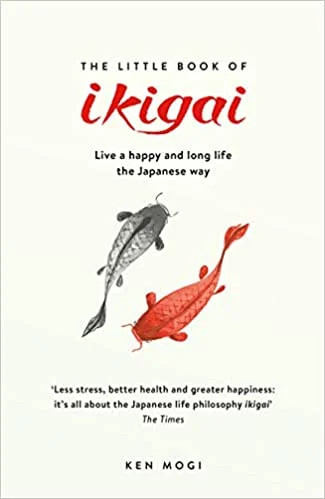
Author | Publisher | Genre | Cover | ISBN | Ken Mogi |Quercus | Lifestyle | Paperback | 978-1787470279
Out of stock
The Little Book of Ikigai: The secret Japanese way to live a happy and long life is a short, friendly guide to a Japanese idea of purpose and daily joy, written by the neuroscientist Ken Mogi. If you want a simple, practical introduction, the little book of ikigai is a gentle place to begin. Please message us on WhatsApp at 9906523492 for details of the copy in stock, including the publisher and number of pages.
Ikigai is often explained as a reason for getting up in the morning. Mogi argues that it is not about grand goals but about small pleasures, steady habits and a sense of connection. The book is a quick read, but it is designed to be thought about slowly.
Mogi does not claim a magic formula. He says ikigai is already present in your life and that you can notice it, strengthen it and share it. That gentle approach appeals to readers who are tired of rigid self-help rules. The stories and examples keep the book light, and the five pillars give you a framework to come back to whenever life feels busy or flat.
Ken Mogi is a Japanese brain scientist, born in Tokyo in 1962. He is a senior researcher at Sony Computer Science Laboratories and a visiting professor at the University of Tokyo. He studied science and law at the University of Tokyo, earned his doctorate in 1992, and has written more than fifty books, mostly in Japanese, on subjects such as the brain, consciousness and culture. In 2012 he was Japan’s first TED speaker.
Self-help books often promise a big change. The Little Book of Ikigai offers something smaller and more believable: pay attention to what you already enjoy and build on it. It is helpful for students deciding what to study, professionals thinking about work, or anyone going through a slow patch. Because it is short and clearly written, it is also a good gift for friends who like thoughtful, calming reads. Mogi writes with the calm of a scientist and the curiosity of a traveller, so explanations of Japanese customs are simple and respectful. You do not need to know anything about Japan to follow along, and you will finish with a few new habits to try. It is not a medical guide, so use it as inspiration rather than treatment.
Do not rush it. After each chapter, write down one small thing you can try. Revisit the five pillars after a month and see which you have followed. Share the ideas with a friend or family member, because ikigai is often about connection. The book also works well as a monthly re-read. Each time, you may notice a different pillar speaking to the stage of life you are in, whether that is a new job, retirement, exams or a fresh start in a new city. Keep the book where you can see it, and pick it up again whenever you need a reset.
Does ikigai mean career?
Not necessarily. In Mogi’s view it is about small daily pleasures as much as work.
Is it long?
No, it is a short book, designed to be read in a few sittings.
Looking for more books like this? Browse our English Literature collection or explore all Literature & Fiction. Follow Lafz Bookstore on Instagram for new arrivals and book recommendations.
Only logged in customers who have purchased this product may leave a review.
Orders are dispatched the same day.
Prepaid orders get 5% off with coupon code PREPAID. For Cash on Delivery, please message us on WhatsApp (99065 23492).
Shipping charges, if any, are shown at checkout. If an item becomes unavailable after you order, we will let you know and refund it the way you paid.
Full details: Delivery Policy · Refund Policy
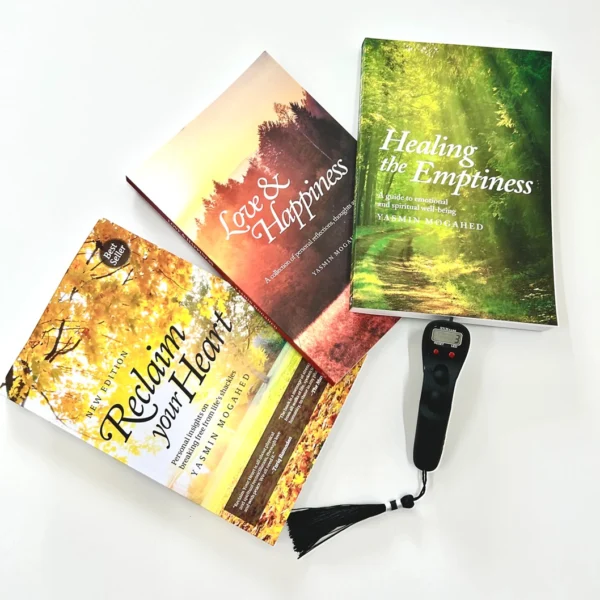
Get the Bundle featuring Reclaim Your Heart , Healing the Emptiness , and Love and Happiness . Inspirational Islamic books guiding spiritual healing, emotional growth, and fulfilment. Available now at Lafz Bookstore – your trusted source for Qurans and Islamic books online.
The Little Book of Ikigai: The secret Japanese way to live a happy and long life is a short, friendly guide to a Japanese idea of purpose and daily joy, written by the neuroscientist Ken Mogi. If you want a simple, practical introduction, the little book of ikigai is a gentle place to begin. Please message us on WhatsApp at 9906523492 for details of the copy in stock, including the publisher and number of pages.
Ikigai is often explained as a reason for getting up in the morning. Mogi argues that it is not about grand goals but about small pleasures, steady habits and a sense of connection. The book is a quick read, but it is designed to be thought about slowly.
Mogi does not claim a magic formula. He says ikigai is already present in your life and that you can notice it, strengthen it and share it. That gentle approach appeals to readers who are tired of rigid self-help rules. The stories and examples keep the book light, and the five pillars give you a framework to come back to whenever life feels busy or flat.
Ken Mogi is a Japanese brain scientist, born in Tokyo in 1962. He is a senior researcher at Sony Computer Science Laboratories and a visiting professor at the University of Tokyo. He studied science and law at the University of Tokyo, earned his doctorate in 1992, and has written more than fifty books, mostly in Japanese, on subjects such as the brain, consciousness and culture. In 2012 he was Japan’s first TED speaker.
Self-help books often promise a big change. The Little Book of Ikigai offers something smaller and more believable: pay attention to what you already enjoy and build on it. It is helpful for students deciding what to study, professionals thinking about work, or anyone going through a slow patch. Because it is short and clearly written, it is also a good gift for friends who like thoughtful, calming reads. Mogi writes with the calm of a scientist and the curiosity of a traveller, so explanations of Japanese customs are simple and respectful. You do not need to know anything about Japan to follow along, and you will finish with a few new habits to try. It is not a medical guide, so use it as inspiration rather than treatment.
Do not rush it. After each chapter, write down one small thing you can try. Revisit the five pillars after a month and see which you have followed. Share the ideas with a friend or family member, because ikigai is often about connection. The book also works well as a monthly re-read. Each time, you may notice a different pillar speaking to the stage of life you are in, whether that is a new job, retirement, exams or a fresh start in a new city. Keep the book where you can see it, and pick it up again whenever you need a reset.
Does ikigai mean career?
Not necessarily. In Mogi’s view it is about small daily pleasures as much as work.
Is it long?
No, it is a short book, designed to be read in a few sittings.
Looking for more books like this? Browse our English Literature collection or explore all Literature & Fiction. Follow Lafz Bookstore on Instagram for new arrivals and book recommendations.
There are no reviews yet.
Only logged in customers who have purchased this product may leave a review.
Orders are dispatched the same day.
Prepaid orders get 5% off with coupon code PREPAID. For Cash on Delivery, please message us on WhatsApp (99065 23492).
Shipping charges, if any, are shown at checkout. If an item becomes unavailable after you order, we will let you know and refund it the way you paid.
Full details: Delivery Policy · Refund Policy
No account yet?
Create an AccountWhatsApp us











Reviews
There are no reviews yet.